
Header Logo

Litter Box Problems in Cats: Causes and Fixes
Few things frustrate cat parents more than finding a puddle outside the litter box or a pile in the corner of the room. While it may feel like your feline pal is acting out, the truth is that most cat litter box problems have clear causes and practical solutions. At Exeter Veterinary Hospital in Tulare County, CA, we help families uncover why their cats are avoiding the litter box and how to get them back on track.
From early feline litter box training to interpreting cat bathroom behavior and fixing litter issues in cats, understanding your kitty’s perspective is the key to restoring harmony in your home.
Why Litter Box Problems Happen
Cats are naturally clean animals, so avoiding the litter box is usually a sign something isn’t right. Common reasons include:
- Medical conditions like urinary tract infections, bladder stones, or kidney disease
- Stress or anxiety from household changes, new pets, or environmental stressors
- Litter box setup issues, such as placement, cleanliness, or type of litter
- Territorial disputes in multi-cat households
- Incomplete training, especially in kittens
Determining the root cause is essential for lasting solutions.
Medical Causes of Litter Box Issues
Before assuming behavioral causes, always rule out medical problems. Urinary tract infections, diabetes, arthritis, and other health issues can make using the litter box painful or difficult. If your cat suddenly develops litter box problems, a veterinary exam should be your first step. Addressing the underlying medical issue often resolves the problem quickly.
Feline Litter Box Training Basics
For kittens and even some adult cats, effective training lays the foundation for good bathroom habits:
- Introduce the box early, placing kittens in it after meals and naps.
- Use unscented litter, as strong fragrances may deter cats.
- Keep the box accessible, especially for young or senior cats.
- Provide positive reinforcement, praising or offering treats when they use the box.
Consistency helps cats form reliable bathroom habits.
Understanding Cat Bathroom Behavior
When cats stop using the litter box, they’re communicating something. Interpreting cat bathroom behavior means looking at the clues:
- Urinating outside the box but nearby may indicate dissatisfaction with litter or cleanliness.
- Choosing soft surfaces like rugs or laundry suggests they prefer texture over litter.
- Spraying on vertical surfaces often signals territorial marking.
- Avoiding the box entirely may point to fear or pain associated with it.
Paying attention to patterns helps pinpoint the cause. Older cats are more susceptible to many health issues, and may also struggle getting in and out of boxes with high sides. For a deeper look, read our prior blog on caring for an aging kitty here.
Fixing Litter Issues in Cats
Once medical problems are ruled out, practical steps for fixing litter issues in cats include:
- Add more boxes: The rule of thumb is one box per cat, plus one extra.
- Change litter type: Some cats dislike clumping or scented litter.
- Clean frequently: Scoop at least once a day and wash boxes weekly.
- Relocate boxes: Place them in quiet, low-traffic areas.
- Make boxes accessible: Older cats may need low-sided boxes for easier entry.
Small adjustments often make a big difference in litter box success.
Purina has a good piece on litterboxes, which you can read here. You can find out more about the do’s and don’ts of litterbox setups at the ASPCA website here.
Multi-Cat Household Challenges
Territorial disputes can create bathroom battles. In homes with multiple cats:
- Provide separate boxes spread across the house.
- Avoid placing boxes side by side, as this can cause conflict.
- Watch for bullying, where one cat blocks access to the box.
- Offer hiding spots and vertical space, reducing competition and stress.
Creating a cat-friendly environment helps reduce litter box avoidance in shared households.
Stress and Environmental Factors
Stress is a major driver of litter box issues. Common triggers include moving, new pets, or even rearranged furniture. To reduce stress:
- Maintain a consistent routine for feeding and play.
- Provide enrichment with toys, scratching posts, and climbing spaces.
- Use pheromone diffusers, which create a calming environment.
- Give your cat quiet, safe spaces to retreat when overwhelmed.
Addressing stress not only helps with litter box habits but also improves overall feline wellness.
Fun Fact: Cats Prefer Cleanliness Above All
Studies show cats are more likely to use a litter box that is scooped daily. Their preference for cleanliness is so strong that some cats will refuse a box that hasn’t been maintained — a good reminder for all cat parents.
FAQs About Litter Box Problems
Why is my cat peeing outside the litter box?
It may be due to medical issues, stress, or dissatisfaction with the litter box setup.
How many litter boxes should I have?
One per cat, plus one extra, in different locations around the house.
What kind of litter do cats prefer?
Most cats prefer unscented, clumping litter with a sand-like texture.
Can stress cause litter box problems?
Yes. Stress is a major factor in inappropriate elimination.
What if my cat suddenly stops using the box?
Schedule a veterinary exam immediately to rule out medical causes.
Visit Our Tulare County Veterinary Hospital for Cat Litter Care
If you’ve been searching for a vet near me to help with bathroom concerns, Exeter Veterinary Hospital in Tulare County, CA is here for you. We diagnose and treat cat litter box problems, provide guidance on feline litter box training, and offer solutions for fixing litter issues in cats. Call today to schedule an appointment and restore peace to your household.
To learn more about our clinic and the pets we treat, stop by our Service page here. Please feel free to contact us anytime.
This blog is for informational purposes only. Always consult your veterinarian for diagnosis, treatment, and behavior support tailored to your cat’s needs.
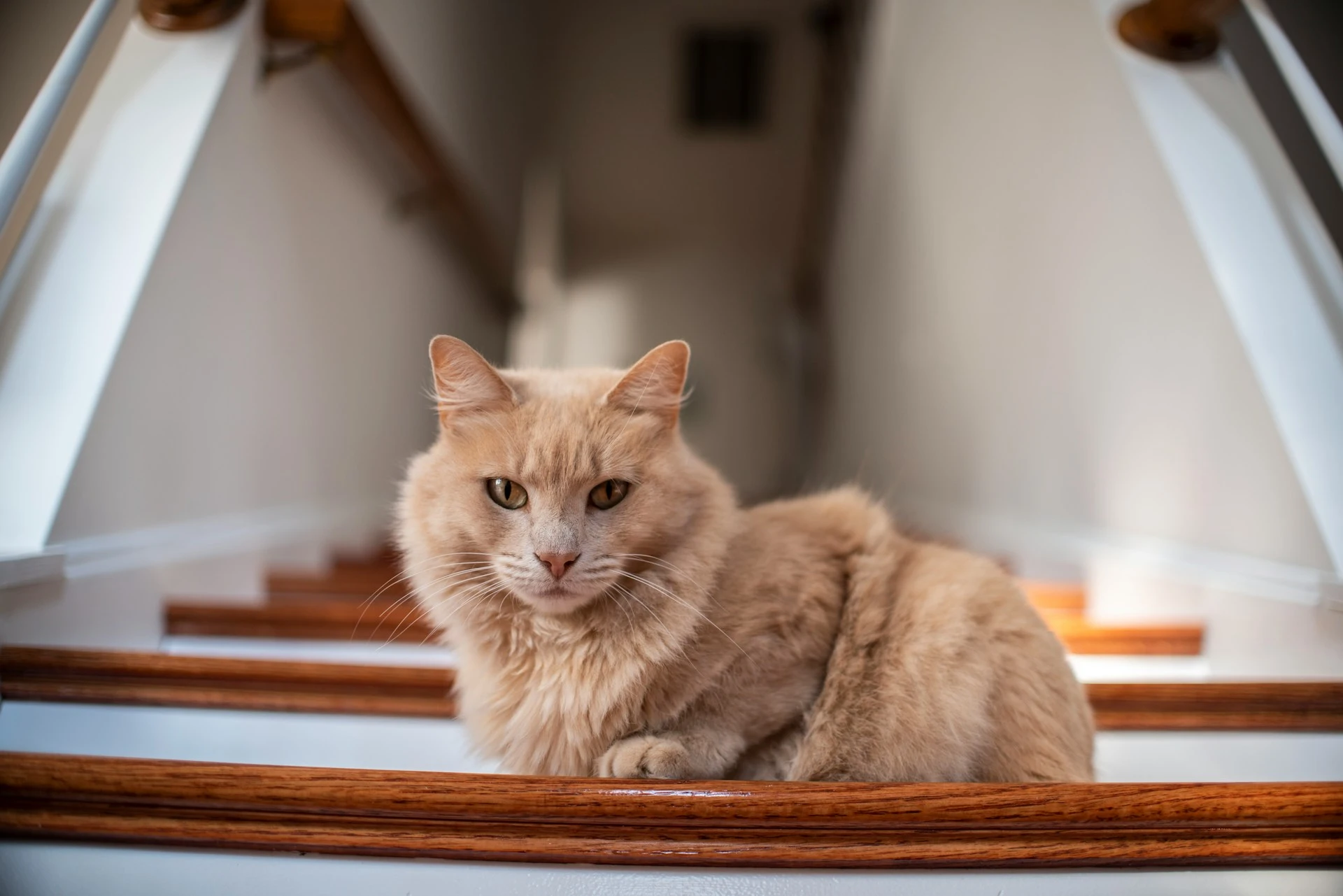
Senior Cat Care: Keeping Golden Years Healthy and Happy
Puppy Training Basics: Teaching Manners That Last
!Social Icons