
Header Logo

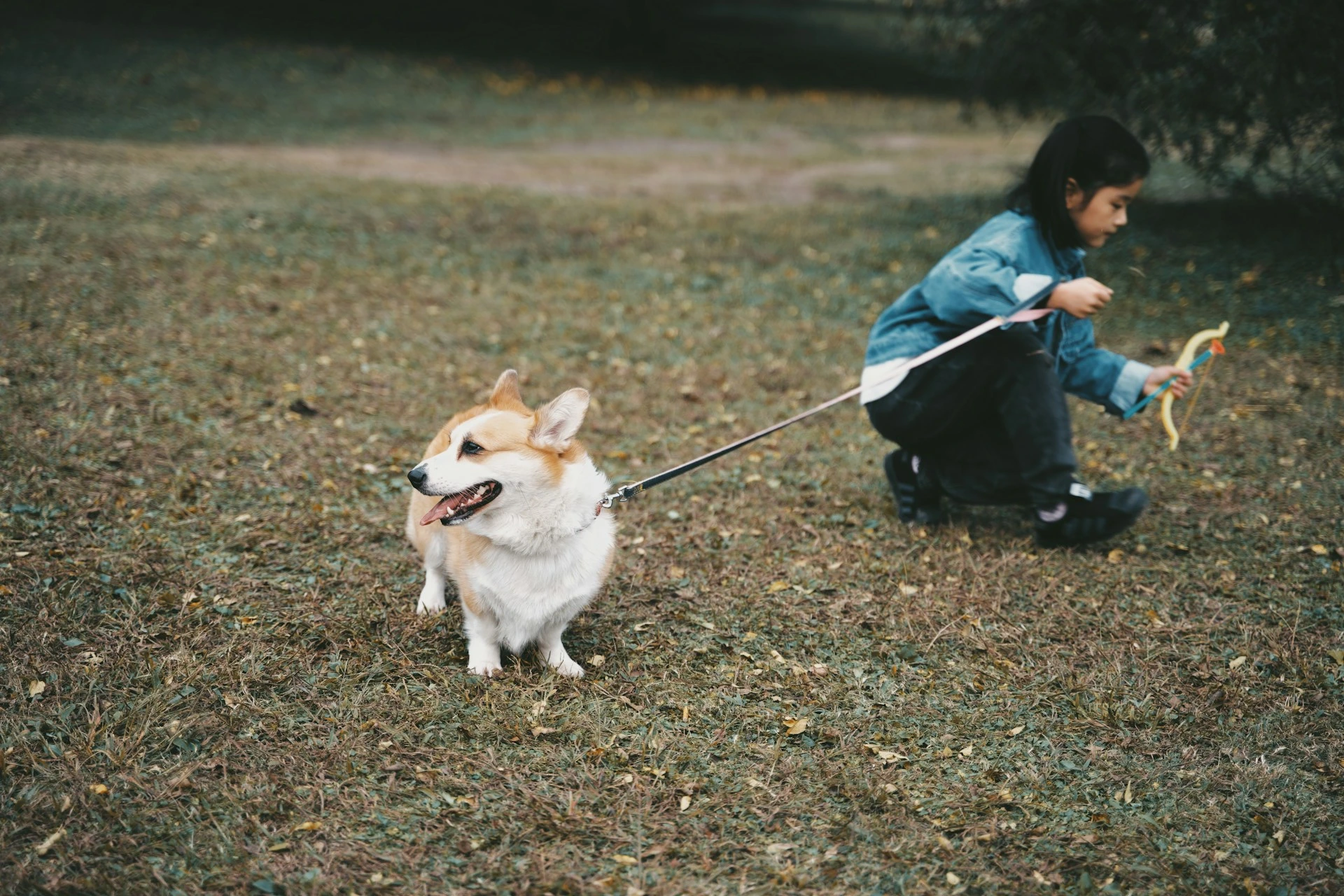
Puppy Training Basics: Teaching Manners That Last
Bringing home a puppy is an exciting adventure, but those adorable faces and wagging tails also come with chewed shoes, indoor accidents, and endless curiosity. At Exeter Veterinary Hospital, your Exeter, CA vet clinic,, we guide families through puppy training basics that build a strong foundation for good behavior.
By focusing on teaching puppy manners, using beginner puppy training strategies, and incorporating positive puppy training tips, you’ll set your canine companion up for a lifetime of confidence, obedience, and joy.
Why Puppy Training Matters
Training isn’t just about commands — it shapes how your puppy views the world. Early training helps:
- Prevent unwanted behaviors before they become habits
- Strengthen the bond between you and your pup
- Promote safety, such as coming when called or walking on leash
- Encourage confidence through positive reinforcement
- Create harmony at home, making daily life easier for everyone
The earlier you start, the easier it is to instill lasting manners.
Teaching Puppy Manners at Home
Good behavior begins with consistency at home. Some essentials for teaching puppy manners include:
- House training: Establish a regular schedule for meals, bathroom breaks, and praise when they go outside.
- Crate training: Introduce the crate as a safe, positive space rather than a punishment.
- Bite inhibition: Redirect nipping with toys instead of hands or clothing.
- Basic commands: Start with sit, stay, and come to build a foundation of obedience.
- Consistency: Use the same words and rewards each time for clarity.
Simple routines teach puppies what’s expected and make them more secure in their environment.
Beginner Puppy Training Steps
Every puppy learns at their own pace, but these beginner puppy training steps work for most:
- Keep sessions short: Aim for 5–10 minutes to match short attention spans.
- Train frequently: Several sessions a day are better than one long session.
- Use high-value rewards: Small, healthy treats or enthusiastic praise go a long way.
- End on a positive note: Always finish training with success and encouragement.
- Be patient: Puppies are learning — mistakes are part of the process.
These steps create a strong foundation for more advanced training later on. You’ll also need to get little Fido used to having his paws and teeth handled. For background, check here our previous blog on doggy dental care.
Positive Puppy Training Tips
Modern training emphasizes reward-based methods. Helpful positive puppy training tips include:
- Reward desired behavior immediately, so your pup makes the connection.
- Ignore unwanted behavior rather than punishing, when possible.
- Redirect energy into positive activities like fetch or puzzle toys.
- Celebrate small wins, such as sitting calmly before meals.
- Avoid harsh corrections, which can cause fear or confusion.
Positive reinforcement builds trust and strengthens your bond.
You can read the AKC article on dog training here. The AKC has a piece about training Fido to walk on a leash here.
Socialization as Part of Training
Training doesn’t stop at commands. Socialization is a critical part of raising a well-mannered pup:
- Expose puppies to different people, places, and sounds gradually.
- Arrange safe playdates with vaccinated, friendly dogs.
- Visit pet-friendly locations, like parks or stores, to build confidence.
- Handle paws, ears, and mouth regularly to prepare for grooming or vet visits.
- Reward calm behavior in new situations.
Early socialization reduces fear-based behaviors later in life.
Common Puppy Training Challenges
Even with effort, challenges may arise. Common issues include:
- Chewing and nipping, which can be managed with toys and supervision
- Jumping up on people, redirected with sit commands and calm greetings
- Pulling on leash, addressed with gentle redirection and consistent practice
- Barking for attention, reduced by rewarding quiet moments
- Accidents indoors, improved with patience and consistent schedules
These challenges are normal and improve with persistence.
Fun Fact: Puppies Learn Fastest Before 16 Weeks
Research shows that puppies are most receptive to new experiences between 8 and 16 weeks of age. This critical socialization window is the perfect time to introduce training.
FAQs About Puppy Training
When should I start training my puppy?
Start as soon as you bring your puppy home — even 8-week-old puppies can learn basics.
How long should training sessions last?
Keep them short, about 5–10 minutes, to match a puppy’s attention span.
What’s the best reward for training?
Small treats, toys, and lots of praise all work well.
Can I use punishment to correct bad behavior?
No. Positive reinforcement is more effective and builds trust.
Do all puppies learn at the same pace?
No. Every pup is unique — patience is key.
Visit Our Exeter Veterinary Hospital for Puppy Training Support
If you’ve been searching for a vet near me to help your puppy start off on the right paw, Exeter Veterinary Hospital, your Exeter, CA veterinary clinic, is here for you. We provide guidance on puppy training basics, support for teaching puppy manners, and share proven positive puppy training tips that set the stage for lifelong good behavior. Call today to schedule a wellness visit and training consultation.
To learn more about our Exeter, CA pet clinic and the pets we treat, stop by our Service page here. Please feel free to contact us anytime.
This blog is for informational purposes only. Always consult your veterinarian for training, behavior, and health care tailored to your puppy.

Senior Cat Care: Keeping Golden Years Healthy and Happy
Puppy Training Basics: Teaching Manners That Last

!Social Icons