
Header Logo

Vaccines for Pets: What Every Dog and Cat Parent Needs to Know
At Exeter Veterinary Hospital in Exeter, CA, we believe that pet vaccinations are one of the simplest, most effective ways to protect your furry friend’s health. Whether you’re navigating the puppy and kitten vaccination schedule, sorting through core vs non-core pet vaccines, or wondering how often pets need shots, we’re here to break it all down in a clear and caring way.
Keeping your pet healthy starts with strong immunity—and that starts with the right vaccines at the right time.
Why Vaccines Are So Important
Just like in people, vaccines train your pet’s immune system to recognize and fight off harmful diseases. Some of those diseases—like rabies or parvovirus—can be fatal or extremely difficult to treat once symptoms appear. Vaccines give your four-legged buddy the armor he or she needs to stay safe and strong.
Fun fact: Thanks to widespread vaccination, rabies cases in pets have dropped dramatically in the U.S. over the past 40 years. It’s a prime example of prevention at its best.
Core vs Non-Core Pet Vaccines
Let’s talk about the difference between core and non-core vaccines:
- Core vaccines are essential for every pet, regardless of lifestyle or location.
- Non-core vaccines are recommended based on a pet’s environment, travel, or lifestyle risks.
Core Vaccines for Dogs (Fido’s Essentials):
- Rabies (legally required)
- DHPP (Distemper, Hepatitis, Parvovirus, Parainfluenza)
Core Vaccines for Cats (Fluffy’s Must-Haves):
- Rabies
- FVRCP (Feline Viral Rhinotracheitis, Calicivirus, Panleukopenia)
Non-Core Options (Based on Risk):
- Dogs: Bordetella (kennel cough), Lyme disease, Leptospirosis
- Cats: Feline leukemia (FeLV), especially for kittens or outdoor cats
Our team at Exeter Veterinary Hospital will assess your pet’s risk factors and lifestyle to determine which non-core vaccines may be appropriate.
Puppy and Kitten Vaccination Schedule
Starting strong matters. Puppies and kittens receive a series of vaccines to build immunity as their maternal antibodies fade.
At our veterinary clinic in Exeter, CA, we’ll keep your furry bestie on schedule with personalized reminders and expert guidance.
How Often Do Pets Need Shots?
After their initial series, most adult pets need booster shots annually or every three years—depending on the vaccine and your pet’s lifestyle.
Here’s a general guide:
- Rabies: Every 1–3 years
- DHPP / FVRCP: Every 3 years or as recommended
- Bordetella / FeLV / Lepto: Often yearly
Your vet will recommend the safest and most effective schedule based on your pet’s health, age, and risk of exposure. Senior pets, indoor cats, and homebody dogs may require fewer non-core vaccines, but core protection is lifelong.
Common Concerns About Vaccinations
We understand that some pet parents worry about reactions to vaccines. Rest assured—side effects are typically mild and short-lived, such as a little soreness at the injection site or slight drowsiness.
Serious reactions are rare but can include:
- Facial swelling
- Vomiting
- Hives or itching
- Difficulty breathing
If you notice any of these signs, contact our animal hospital immediately. Our team of veterinarians is trained to respond quickly and adjust future vaccine protocols accordingly.
Fun fact: Most mild reactions happen within 48 hours and resolve on their own—but always call your vet near me if you’re unsure!
The Role of Boosters and Lifestyle Updates
Just like kids need school boosters, pets need vaccine updates too. Annual exams at Exeter Veterinary Hospital give us a chance to:
- Review vaccine history
- Adjust protection based on lifestyle, location, and other risk factors.
- Screen for underlying health issues
- Maintain a consistent puppy or kitten vaccination schedule for new additions to your family
Vaccines are one of the best tools in modern veterinary medicine. They’re quick, cost-effective, and lifesaving. And when paired with routine exams, they help your pet clinic keep your furry pal thriving.
Frequently Asked Questions
Are vaccines really necessary if my pet stays indoors?
Yes. Indoor pets still need core vaccines. Rabies is legally required in most areas, and some viruses can enter your home via people, shoes, or other pets.
Can my senior pet skip vaccines?
Older pets may need fewer non-core vaccines, but they still need protection. Our vets can tailor a plan that balances safety and necessity.
What should I expect after a vaccination appointment?
Your pet may be tired, sore, or slightly cranky—totally normal! Give them extra snuggles, and let us know if anything seems off.
Do vaccines guarantee my pet won’t get sick?
Vaccines greatly reduce risk but don’t offer 100% immunity. However, vaccinated pets usually experience milder symptoms and recover faster if they do get sick.
Are vaccine clinics safe?
Reputable vaccine clinics can be helpful, but they often skip the full physical exam. At Exeter Veterinary Hospital, we pair vaccines with complete wellness checks for total health support.
Visit Our Exeter, CA Veterinary Clinic for Pet Vaccines
When it comes to your four-legged friend’s health, prevention is powerful. At Exeter Veterinary Hospital in Exeter, CA, we take the guesswork out of pet vaccinations with personalized plans, up-to-date guidance, and a caring team you can trust. Whether you’re raising a playful pup or a sassy senior kitty, our friendly veterinarians are here to help you protect them from preventable illness. Schedule your pet’s vaccine visit with our trusted vet clinic today.
This article is intended for educational purposes. Please consult your veterinarian for personalized vaccine recommendations and medical car
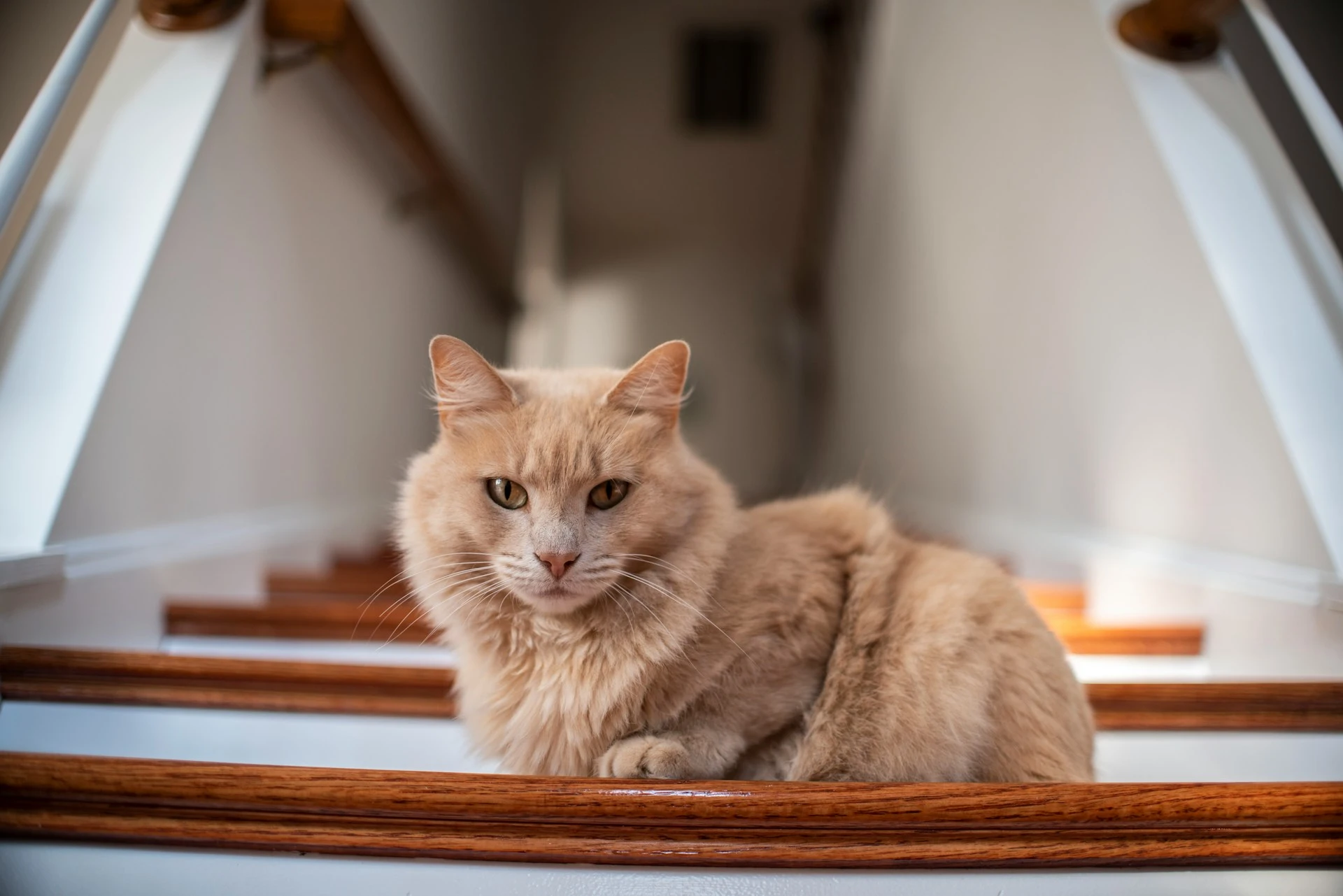
Senior Cat Care: Keeping Golden Years Healthy and Happy

Puppy Training Basics: Teaching Manners That Last

!Social Icons