
Header Logo

Why Cats Knock Things Over: Understanding Their Behavior
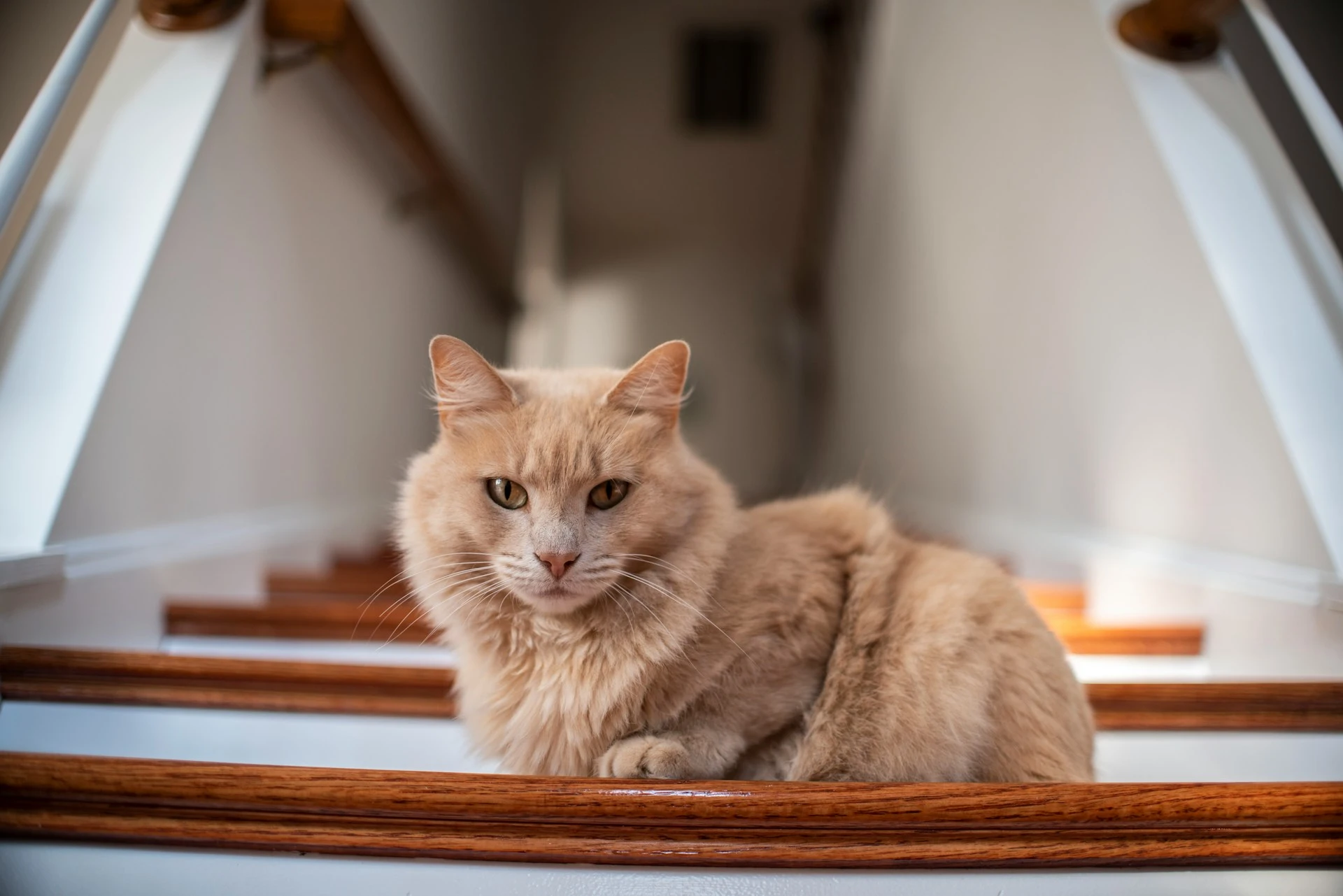
If you’ve ever walked into a room to find your water glass on the floor with Fluffy sitting nearby, looking smug, you’re not alone. Many cat owners ask us at Exeter Veterinary Hospital, your Exeter, CA vet clinic why their feline friends insist on swatting at objects. While it may seem mischievous, cat knocking behavior has explanations rooted in instinct, curiosity, and communication.
By learning why cats knock things over, exploring feline behavior explanations, and using practical cat play behavior tips, you can better understand your kitty and redirect her antics.
Why Do Cats Knock Things Over?
Cats knocking over objects may appear as deliberate mischief, but the behavior often stems from natural instincts and needs.
- Hunting instinct: Cats are predators by nature. Swatting at small objects mimics batting prey.
- Curiosity: Cats investigate their environment with paws as much as with noses.
- Attention-seeking: If knocking something down leads to interaction, your cat may repeat the behavior.
- Playfulness: Objects that roll or bounce provide instant entertainment.
- Exploration of physics: Cats may enjoy the cause-and-effect of seeing something fall.
Recognizing these motivations helps owners respond with patience rather than frustration.
Want to learn more about kitty behavior? Read our post on kitty scratching habits here.
Feline Behavior Explanations
Cats aren’t being deliberately naughty when they send items tumbling. They’re acting on instinct and communicating their needs. Understanding feline behavior explanations provides perspective:
- Boredom: Indoor cats may knock items over when they lack stimulation.
- Testing boundaries: Cats are quick learners. If swatting gets a reaction, they remember it.
- Communication: Your feline pal may be telling you it’s time for play, food, or interaction.
Once you see knocking as a form of expression, it becomes easier to address constructively.
PetMD tackled Fluffy’s habit of smacking things off counters and tables here. Feliway also has a cute piece on this, which is from the cat’s point of view. Read that one here.
Cat Play Behavior Tips
Redirecting destructive tendencies starts with meeting your cat’s needs for stimulation. Effective cat play behavior tips include:
- Provide safe toys: Balls, toy mice, and wand toys satisfy swatting instincts.
- Schedule interactive play: Two daily 10–15 minute sessions tire out energetic cats.
- Rotate toys: Novelty keeps interest high.
- Use puzzle feeders: These combine play with mealtime, reducing boredom.
- Offer vertical spaces: Cat trees or shelves allow safe climbing and paw exploration.
By enriching your cat’s environment, you reduce the likelihood of objects being targeted.
Environmental Adjustments
Making small changes at home can reduce accidents and frustration. Practical steps include:
- Secure fragile items out of reach or in cabinets.
- Use double-sided tape on surfaces to deter cats from jumping onto them.
- Provide scratching posts and climbing options so your cat has approved outlets. Want to learn more about this kitty behavior? Read our post on kitty scratching habits here.
- Offer safe alternatives like lightweight balls to bat around.
Rather than punishing your cat, guide their behavior by creating an environment that meets their needs.
When Knocking Becomes Excessive
Occasional paw swats are normal, but constant knocking could signal unmet needs or stress. If your cat seems restless or destructive, consider:
- Increasing playtime to burn excess energy.
- Checking for hunger cues and adjusting feeding schedules.
- Assessing stressors such as new pets, changes in routine, or lack of space.
If the behavior persists, a veterinary exam may be needed to rule out underlying health or anxiety issues.
Fun Fact: Cats Have Whiskers on Their Front Legs
Did you know cats have whiskers called carpal whiskers on their front legs? These help them detect movement and judge distances when batting at objects — part of why swatting and knocking behaviors come so naturally.
FAQs About Cat Knocking Behavior
Why does my cat knock things off the table when I’m home?
Because they’ve learned it gets your attention. Even scolding can reinforce the habit.
Is my cat trying to annoy me?
No. Cats don’t act out of spite. They’re exploring, playing, or communicating.
How can I stop my cat from knocking things over?
Provide toys, interactive play, and enrichment. Keep fragile items out of reach.
Is knocking things over dangerous for cats?
It can be if glass items break. Securing fragile belongings keeps cats safe.
Do kittens knock things over more than adults?
Yes. Kittens are especially curious and playful, though some cats carry the behavior into adulthood.
Visit Our Exeter Veterinary Clinic
If you’ve been searching for a vet near me to understand quirky feline habits, Exeter Veterinary Hospital, your Exeter, CA animal clinic, is here to help. We provide insights into cat knocking behavior, explain why cats knock things over, and share effective cat play behavior tips tailored to your feline companion. Call today to schedule a visit and strengthen your bond with Fluffy.
To learn more about our clinic and the pets we treat, stop by our Service page here. Please feel free to contact us anytime.
This blog is for informational purposes only. Always consult your veterinarian for diagnosis, treatment, and behavior advice tailored to your cat.
Senior Cat Care: Keeping Golden Years Healthy and Happy

Puppy Training Basics: Teaching Manners That Last

!Social Icons