
Header Logo

Cat Anxiety Triggers and Helping Fluffy Relax at Home
Cats may appear independent and composed, but many experience stress and anxiety that can affect their health and happiness. At Exeter Veterinary Hospital in Tulare County, CA, we often see cats struggling with behavioral changes linked to stress. By using reliable insight and information, you can identify triggers, build calming routines, and create an environment where your feline companion feels secure.
Learning to recognize cat behavior anxiety triggers, applying proven methods for calming anxious cats, and focusing on feline stress relief not only reduces unwanted behaviors but also strengthens the bond you share with your cat.
Why Anxiety Matters in Cats
Stress in cats isn’t just a mood issue — it can lead to physical illness and long-term problems if left unaddressed. Anxiety impacts cats in several ways:
- Urinary tract problems, such as inappropriate urination or infections, often flare during stressful times.
- Excessive grooming, which can cause bald patches, skin infections, or hot spots.
- Digestive upset, like vomiting or diarrhea, is linked to stress hormones.
- Behavioral shifts, including aggression, hiding, or refusing food.
- Weakened immune response, making cats more vulnerable to illness.
Taking anxiety seriously helps prevent health problems and ensures your cat lives a long, comfortable life.
Common Cat Behavior Anxiety Triggers
Cats are creatures of habit, so even small changes can feel overwhelming. Some of the most frequent cat behavior anxiety triggers include:
- Noise disturbances, such as thunderstorms, fireworks, or loud appliances.
- New household members, whether it’s a baby, visitor, or another pet.
- Environmental changes, like moving, rearranging furniture, or traveling.
- Unpredictable routines, including irregular feeding or long absences.
- Conflict in multi-cat homes, where competition for resources causes stress.
- Lack of stimulation, leading to boredom-driven stress behaviors.
Recognizing these triggers allows you to adjust your cat’s environment before anxiety escalates.
Calming Anxious Cats
Once you’ve identified the triggers, the next step is creating strategies for calming anxious cats. Some effective approaches include:
- Create safe spaces, such as quiet rooms or cozy hiding spots where your cat can retreat.
- Provide vertical perches, which give cats a sense of control over their environment.
- Use interactive play, engaging hunting instincts with toys that mimic prey.
- Offer familiar scents, like blankets or clothing that smell like home.
- Maintain calm energy yourself, since cats mirror your emotional state.
- Play soothing music, which can help mask startling noises and encourage relaxation.
Cats often feel safer when their world feels predictable and their needs are respected.
Feline Stress Relief Through Environment
A calm, enriched environment is one of the most powerful tools for reducing anxiety. Practical feline stress relief strategies include:
- Stick to routines for feeding, litter cleaning, and play.
- Keep litter boxes clean and easy to access, reducing stress over bathroom habits. Click here for the original blog post on litterbox issues.
- Rotate toys and climbing structures to keep the environment engaging.
- Offer scratching posts, which let cats release energy and mark territory safely.
- Consider pheromone diffusers, which mimic natural calming scents.
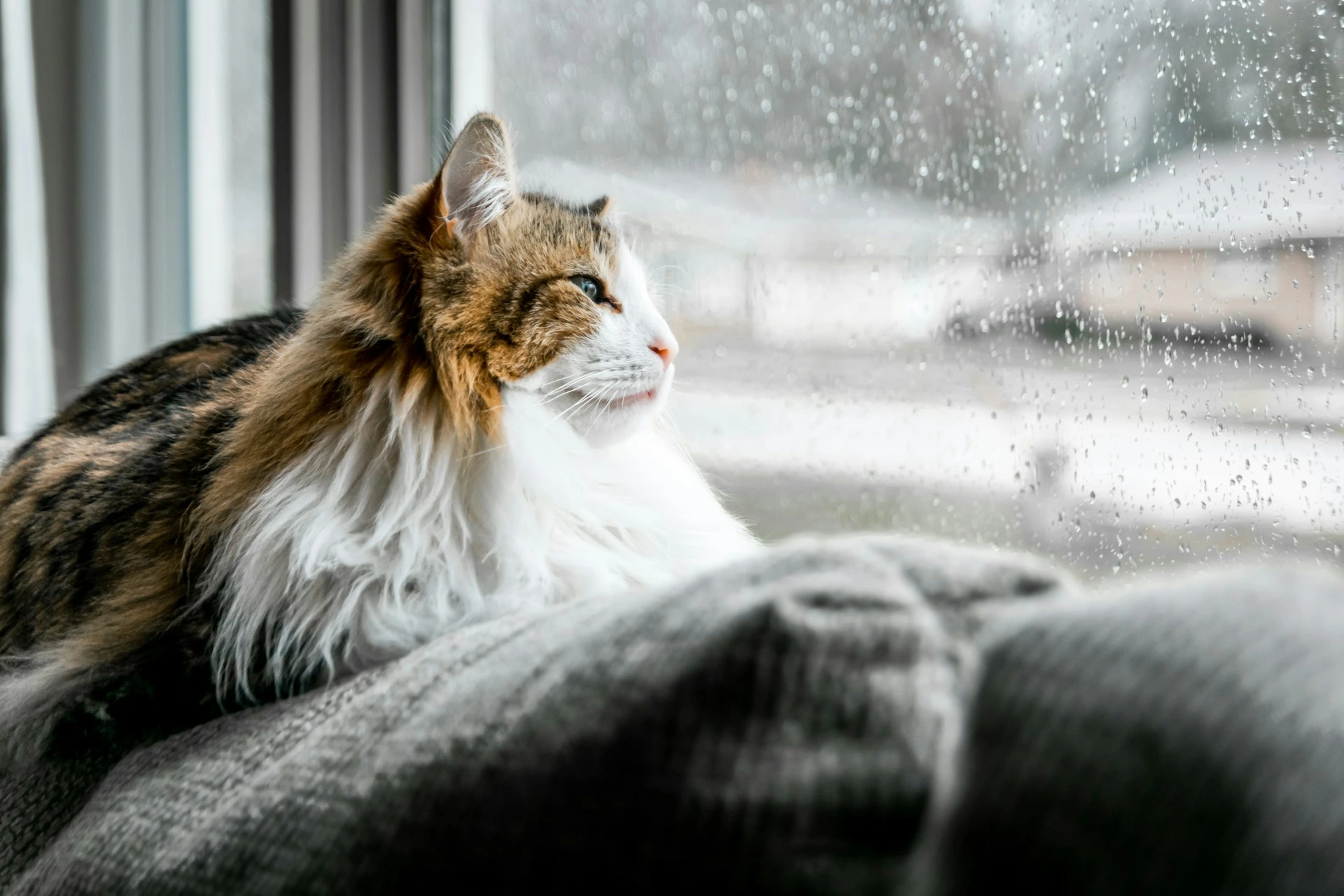
- Add window perches, allowing your cat to watch outdoor activity safely.
The goal is to reduce unpredictability while providing opportunities for stimulation and control. You’ll find some great ideas about keeping an indoor cat enriched at the Animal Humane Society website here.
Long-Term Management for Anxious Cats
For cats with ongoing anxiety, long-term strategies can help. These may include:
- Behavioral modification training, such as desensitization to triggers.
- Routine veterinary exams, ruling out underlying medical causes of stress.
- Veterinary-prescribed supplements or medications, in cases where anxiety is severe.
- Collaboration with feline behaviorists, who can provide tailored support.
Managing anxiety is often about layering several approaches for the best results. Austin’s Pets Alive has a helpful article on helping a scaredy cat settle in on their website here.
Advanced Calming Strategies
In addition to environmental changes, some cats benefit from specialized support:
- Scent therapy, such as catnip or silvervine, which can relax certain cats.
- Clicker training, which redirects focus and builds confidence.
- Food puzzles and slow feeders, combining mental stimulation with mealtime.
- Calm introductions for new pets or family members, ensuring gradual exposure.
- Interactive companionship, like spending quiet time together in your cat’s favorite space.
These advanced strategies help create resilience and reduce reactivity over time.
Multi-Cat Homes and Anxiety
Anxiety is particularly common in households with multiple cats. To reduce tension:
- Provide separate resources such as food bowls, water dishes, and litter boxes.
- Offer multiple resting spaces in different parts of the house.
- Use vertical space, so cats can escape conflicts without confrontation.
- Monitor interactions, stepping in if one cat consistently bullies another.
A well-managed multi-cat home supports harmony and minimizes anxiety-driven behaviors.
Fun Fact: Cats Scent Map Their World
Cats rely heavily on scent to feel secure. When they rub against furniture — or you — they’re leaving comforting pheromones that create a scent map of their territory. Disruption of this scent map often triggers anxiety, making scent continuity an important calming factor.
FAQs About Cat Anxiety
What are the most common signs of cat anxiety?
Look for overgrooming, hiding, aggression, or inappropriate urination.
Can cats suffer from separation anxiety?
Yes. Cats may become stressed when left alone for long periods or when routines change.
Do pheromone products really help?
For many cats, diffusers and sprays mimic natural calming scents and reduce anxiety.
Is playtime important for anxious cats?
Absolutely. Play provides mental stimulation and a positive outlet for stress.
When should I seek veterinary care for anxiety?
If stress behaviors persist more than a few days or interfere with daily life, schedule an exam.
Visit Our Tulare County Veterinary Hospital for Cat Anxiety Care
If you’ve been searching for a vet near me to support your feline companion’s emotional health, Exeter Veterinary Hospital in Tulare County, CA is here to help. We provide personalized cat anxiety tips, share strategies for calming anxious cats, and recommend effective feline stress relief techniques tailored to cat behavior anxiety triggers. Call today to schedule a consultation and help your kitty relax in a safe, supportive environment.
To learn more about our Exeter, CA pet clinic and the pets we treat, stop by our Service page here. Please feel free to contact us anytime.
This blog is for informational purposes only. Always consult your veterinarian for diagnosis, treatment, and behavior care tailored to your cat.
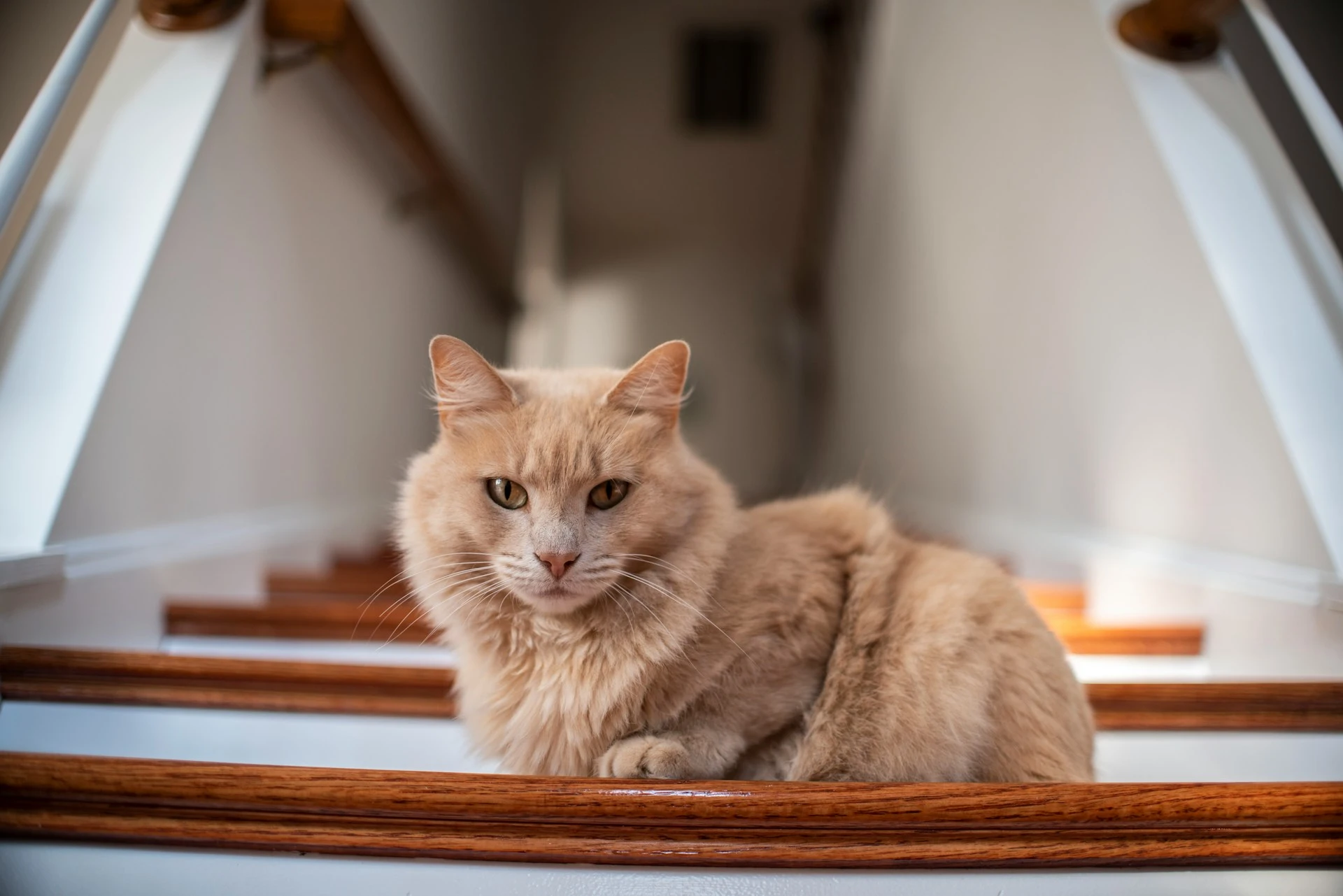
Senior Cat Care: Keeping Golden Years Healthy and Happy
Puppy Training Basics: Teaching Manners That Last
!Social Icons